
Long time no write
Books and other stuff :)

I’m writing this from Croatia after a very random Monday long run (lol, who does that?). It was sunny all day and about 12°C, which is a massive upgrade from the -3°C in Copenhagen that always feels like at least -10°C. I feel like I am skipping the line for spring, and I’m completely fine with that.
I haven’t written here in a while. For the most part, that was intentional. We’ve been traveling a lot, and I wanted to stay as present as possible and keep some distance from the online world. Honestly, I expected to come back bursting with inspiration and motivation, with a hard drive full of material, but that didn’t really happen.
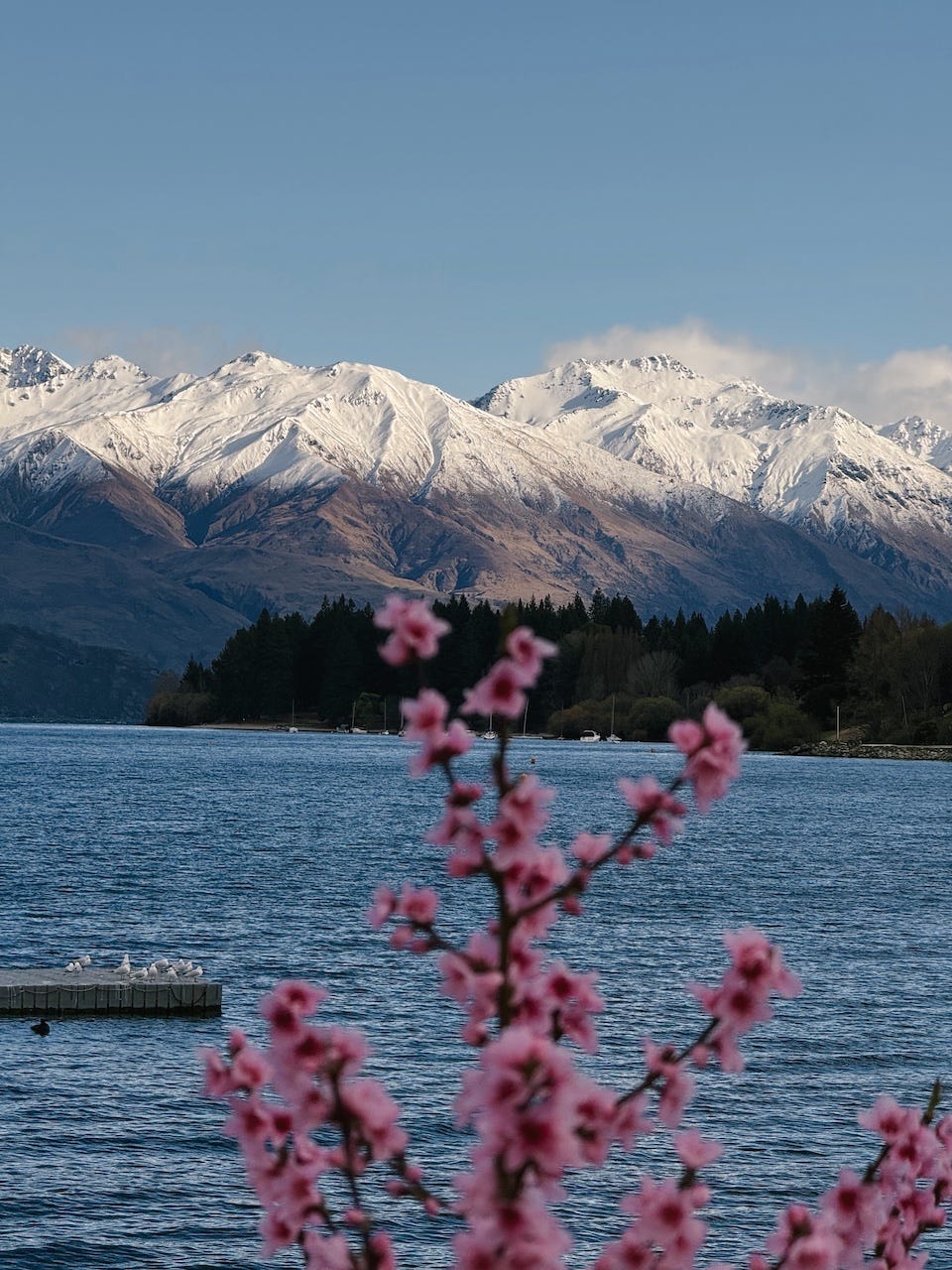
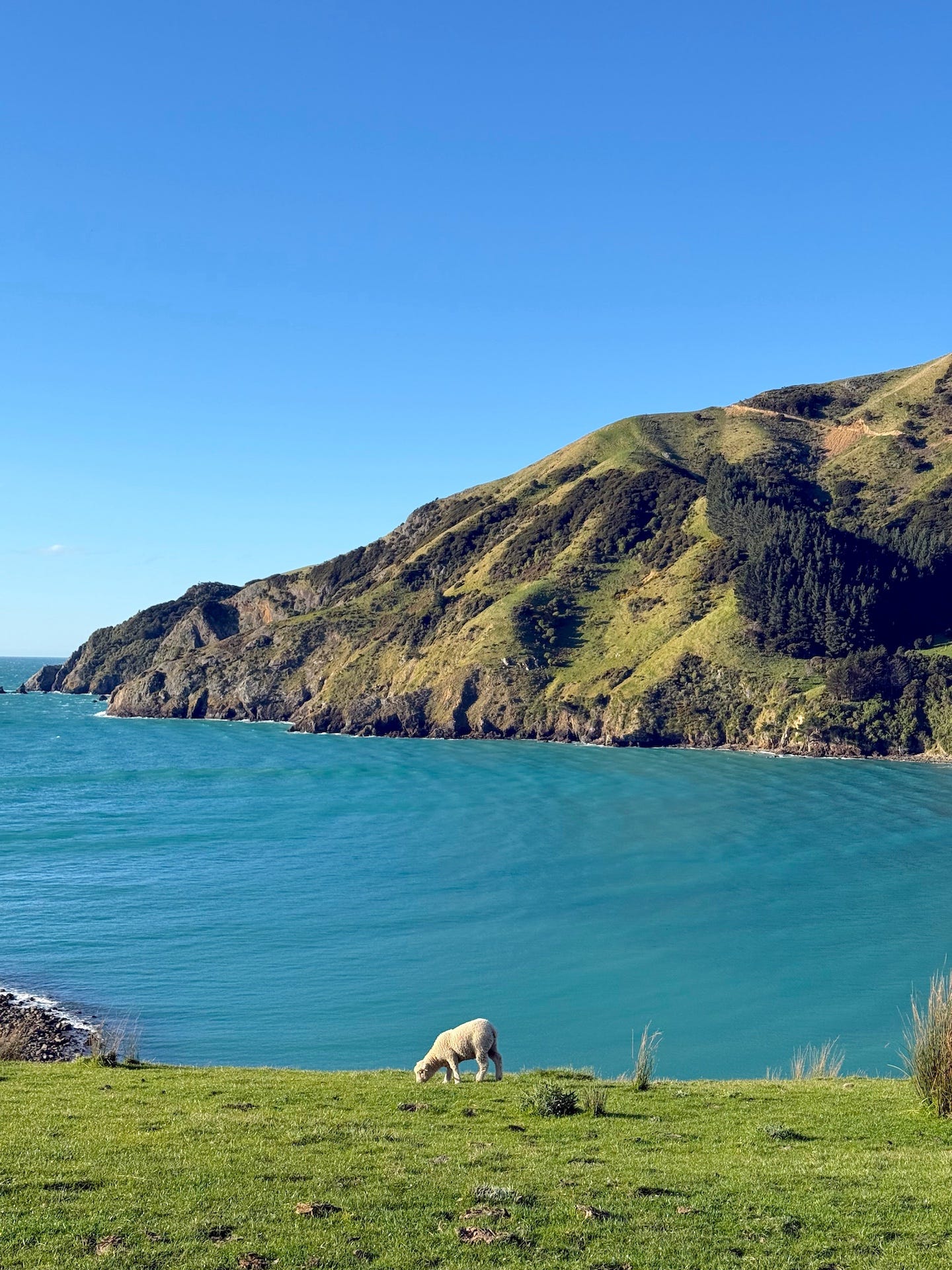
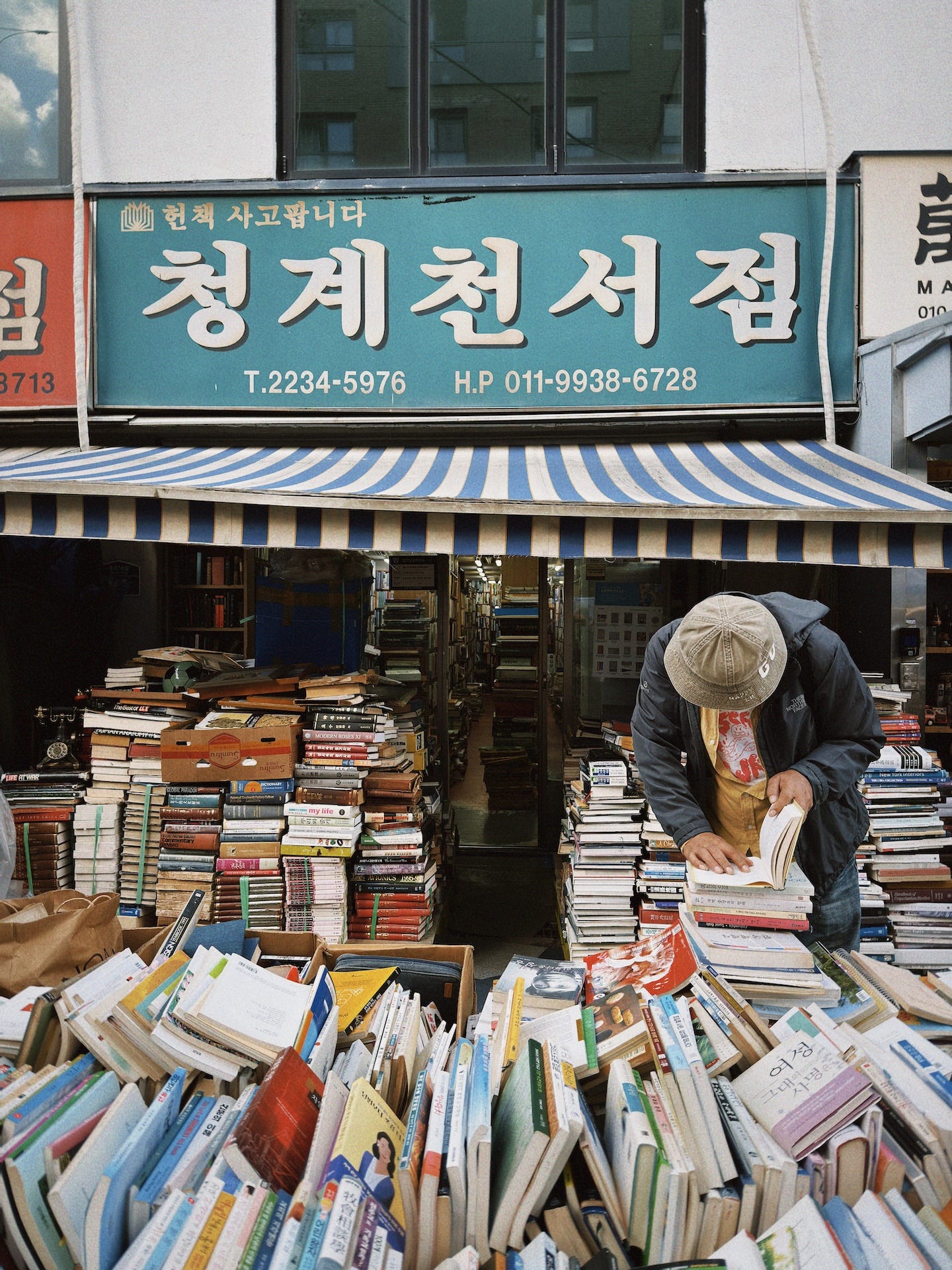
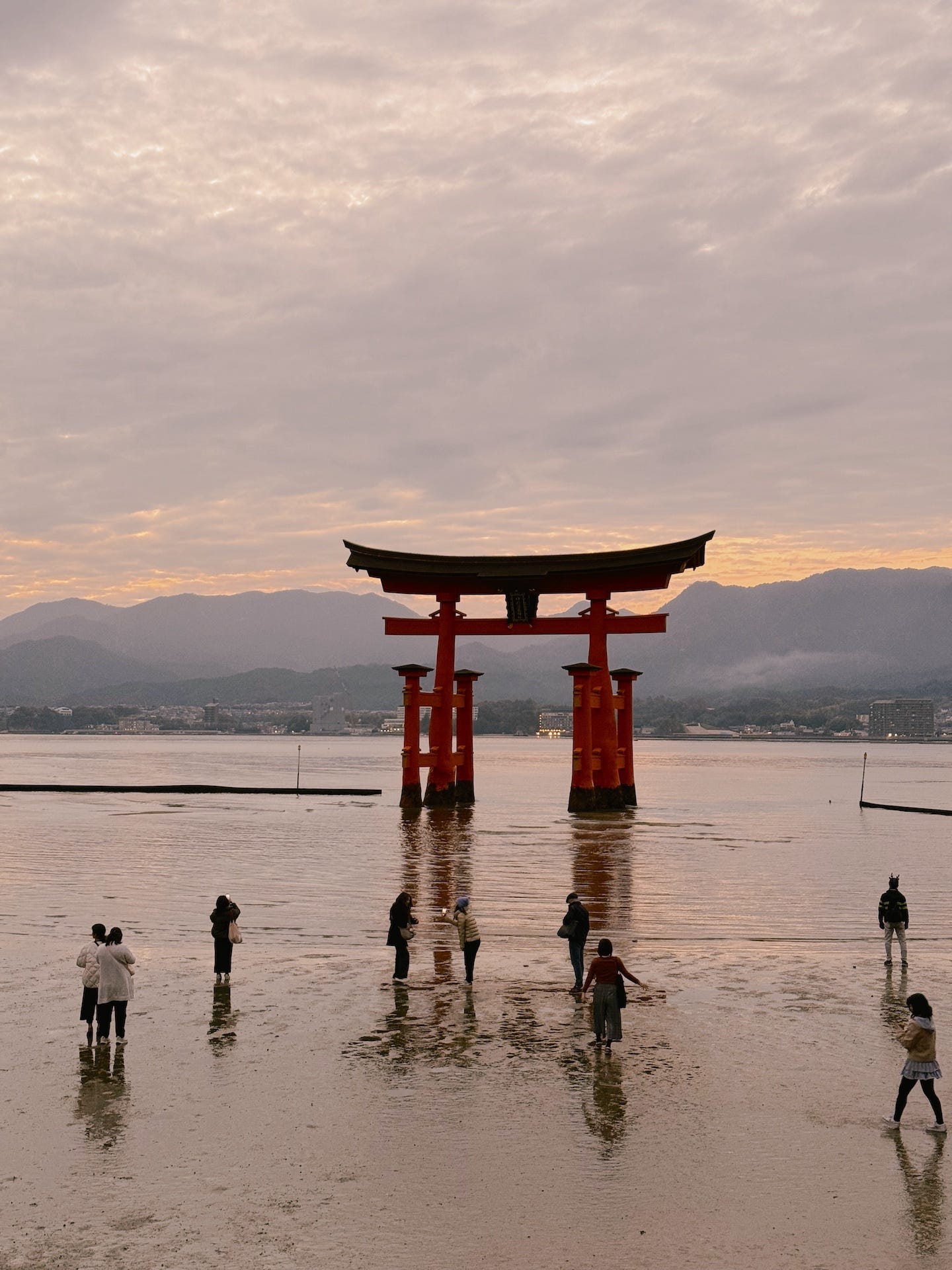
We spent three months traveling this fall, leaving in September and returning to Europe just before Christmas to see family in Portugal and Croatia before heading back to Copenhagen. Taking that kind of extended break from work was genuinely the best thing we could have done. We slowed down, slept in, got all outdoorsy, ticked things off the bucket list, changed plans on the go, stayed in some of the most beautiful and sometimes very strange corners of the world, invented a new handshake, met cool people, figured out what kind of traveling we actually enjoy, realized what we don’t, and ate food where we had no real idea what the ingredients were. I’ll definitely get into some of those stories in future posts.
Getting back to writing was a bit of a struggle, if I’m being honest. When I lose consistency with something, even if I enjoy it, I tend to start building a case for why it’s perfectly reasonable to just stop altogether. This time it went something like: “you already have plenty going on,” or “aren’t we trying to step back from social media anyway?”, and my personal favorite, “what about just having some actual free time to do nothing for a bit?”
The slightly wiser me now knows how to quiet that delicate, default part of my brain that just wants to be comfy and safe, ideally while watching another early 2000s TV show. That’s usually the exact moment I should actually do something instead. So, it's all fine, brain, we are not in danger here, we are just being a little lazy, but thank you.
This past weekend, my best friend and I visited another friend who just had a baby. We finally met him, and I don’t know how to describe how adorable this little creature is without sounding like I’m exaggerating. He is a baby masterpiece! Listening to my friend talk about motherhood was genuinely beautiful. She’s navigating it all with so much patience, excitement, and love. The little one spent the whole day with us, through long walks, lunch, coffee and cake, listening to us talk and laugh loudly, raising a small eyebrow from time to time as if he was politely tolerating us, while still giving his mom the space to enjoy some time with her long-distance friends.
The Reading Slump
Since the three of us studied literature together, the conversation eventually found its way back there. We talked for a bit about the books we’ve read, the ones we faked reading just to pass an exam, and what we’re each reading now. One of them actually wrote and published a children’s book that is so brilliant and smart, and I’m sooo proud of her!!


We’ve all been in a serious reading rut lately, whether that meant reading books we had to for work or something else, or stumbling onto ones that just didn’t do it for us. So this is what gave me the idea for this post.
I know there’s no shortage of “books to pull you out of a reading slump” lists out there, but that won’t stop me from sending mine to your inbox! They say you are what you eat, watch, read, scroll through, so based on my recent picks, I’d say I’m doing pretty well on that front, haha.
Here are the ones I enjoyed the most:
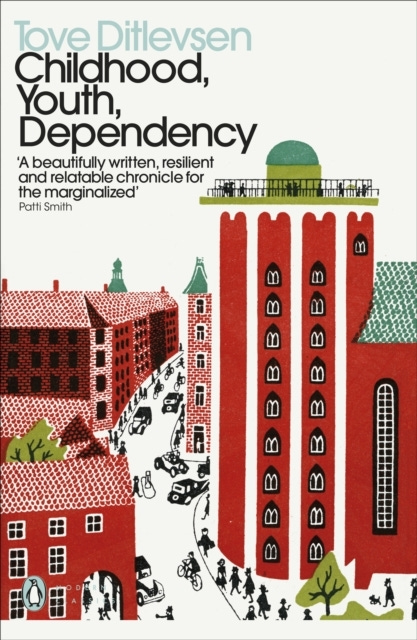
The Copenhagen Trilogy (Childhood, Youth, Dependency) by Tove Ditlevsen
The trilogy is autobiographical and follows her life from a working-class childhood in Copenhagen through her literary ambition, messy marriages, and eventually into some very dark places.
This book has everything for me. There is zero self-pity, no romanticizing, no extra flair, just a clear account of what happened. Even in the middle of a crisis, there’s a touch of humor in the way she interacts with people or processes things internally, and sometimes she can’t quite find the word for what she’s feeling, so she describes the sensation instead, in a way that ends up being both accidentally funny and probably relatable to most readers.
Childhood, the first book, perfectly captures the feeling of growing up somewhere that feels too small for you and finding refuge in books when nothing else makes sense. But Dependency, the last book, was the one that hit me hardest. It follows her into addiction and despair with such a plain delivery that it actually makes it emotionally harder to read, not easier. And since everything takes place in Copenhagen, reading the names of streets I’ve actually walked through, including the one I currently live on, was really cool!
“And I want so badly to own my own time instead of always having to sell it.”
“I’m thinking about my novel all the time, which I know the title of, though I’m not completely sure what it will be about. I’m just writing; maybe it will be good; maybe not. The most important thing is that I feel happy when I’m writing, just as I always have. I feel happy and I forget everything around me.”
“And to be able to do this I have to be able to read in a certain way too, so I can absorb through all my pores everything I need, if not for now, then for later use. That’s why I can’t interact with too many people; and I can’t go out too much and drink alcohol, because then I can’t work the next day.
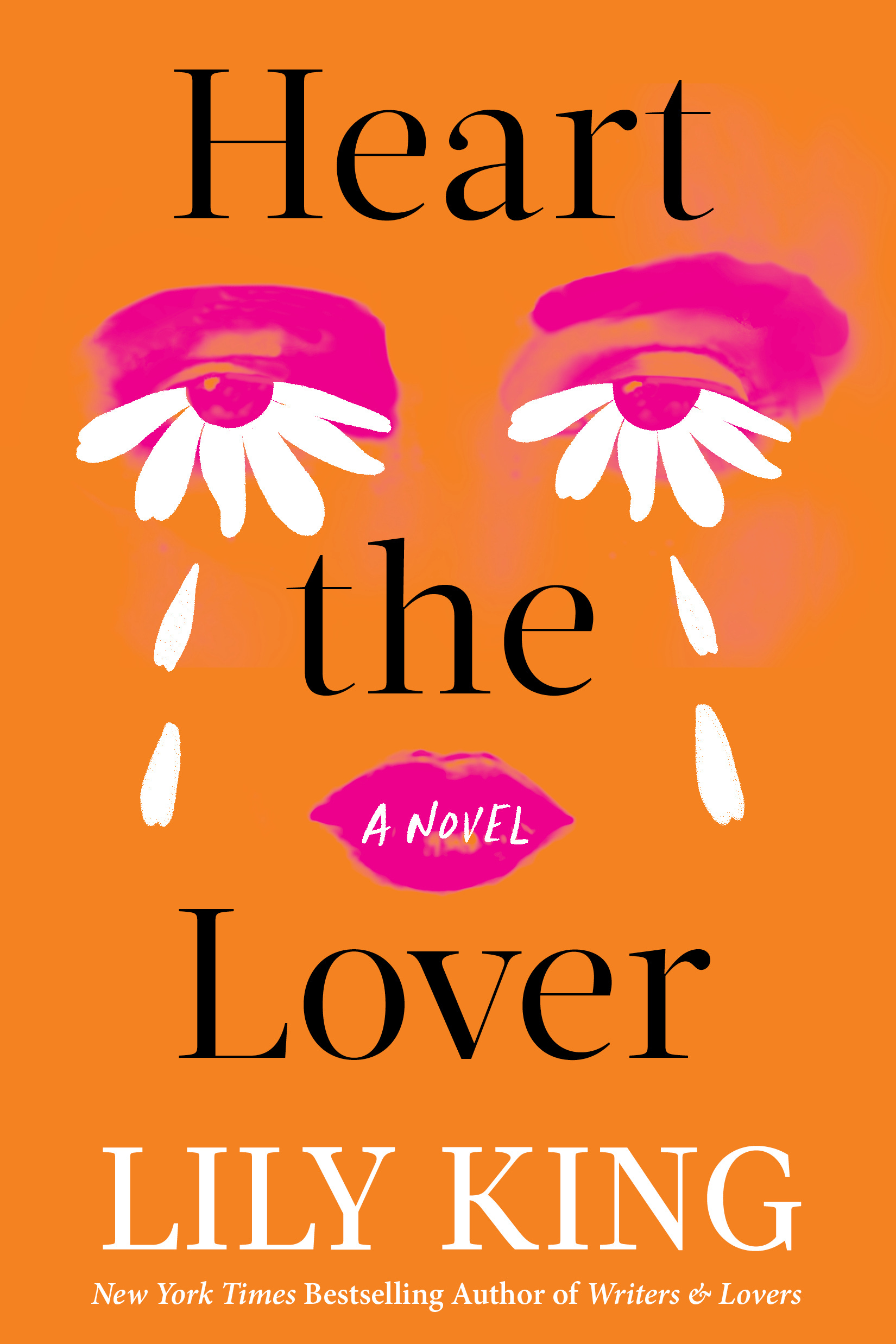
Heart the Lover by Lily King
Everyone talks about this book, and the hype is definitely justified. Calling it a “romance” feels like an undersell. Even though the love story is at the center, it is really about the messy, complicated arc of a life.
Reading it felt like being teleported back to my university years, when the entire universe was all about friends, exams, classes, and that guy or that girl. It captures the beautiful messiness of being young, making big plans, and imagining your future. It also looks at the heavy consequences of choices we make before we really know who we are or what we want.
It’s tender and funny one moment, then suddenly frustrating, and eventually just heartbreaking. It is a pretty short book, but Lily King somehow packs an entire lifetime into those pages. If you don’t end up sobbing by the end, I’m pretty sure your heart will at least feel the sting.
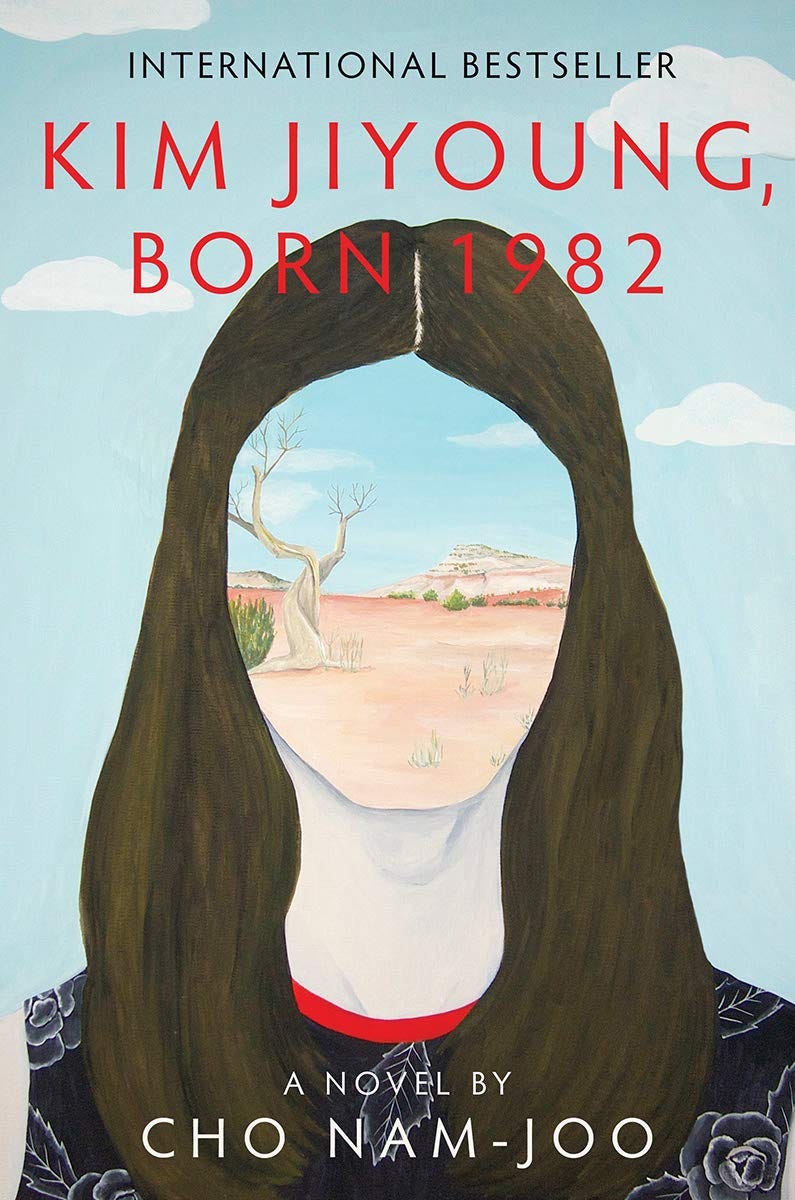
Kim Jiyoung, Born 1982 by Cho Nam-joo
This one follows an ordinary woman whose behavior starts to worry the people around her, and “ordinary” is really the entire point. She’s not an exception, she’s a stand-in for millions of women.
The book is about the unnoticed, daily accumulation of sexism, at school, at work, at home. I knew what it was about before picking it up, but I expected something more emotionally charged. It’s quite the opposite, restrained and almost clinical, and that detachment ends up making it more effective. It reads almost like a report, with footnotes and statistics woven in to make clear that none of this is exaggerated for the sake of effect. It’s documented, it’s real, and it’s happening everywhere.
It’s not a comfortable read, but it’s an important one, and I would highly recommend it.

Girl at War by Sara Nović
This was emotionally the hardest one. The story follows Ana Jurić, a ten-year-old in Zagreb whose life is basically dismantled when the war starts. One specific moment changes everything for her, and the book moves between her new life in the U.S. and her eventual return to Croatia to face everything she’s tried to keep buried.
It’s technically a war novel, but it’s really about dislocation, about learning what you can say out loud in a new country and what you simply have to keep to yourself, because the people around you either won’t understand, or you can sense it would just be too much for them. It’s about grieving things that other people don’t even have a category for.
Reading it was personal in a way I wasn’t entirely prepared for, and it brought me much closer to events that shaped my own family’s lives. It made me think about the war in my homeland, about homes and lives that were destroyed, about people from my parents’ lives who didn’t make it, and about Vukovar, my parents’ hometown, a city that was quite literally burned to the ground, and about the wars happening right now while I sit here writing this. There’s a lot of buried anger and frustration that comes up while reading it, about the injustice of it all and the kind of evil people are capable of in the name of ideology, and it doesn’t really leave you once you’ve finished. If you’re open to something heavy that also happens to teach you something true and important about Croatian history, this is the one.
“Our class got two boys who looked close enough to our age to blend in. They were from Vukovar and spoke with funny accents. Vukovar was a small city a few hours away and had never meant much to me during peacetime, but now was always in the news. In Vukovar people were disappearing. People were being forced at gunpoint to march east; people were becoming hemic vapor amid the nighttime explosions. The boys had walked all the way to Zagreb and they didn’t like to talk about it. Even after they settled in they were always a little dirtier, the circles beneath their eyes a little darker than ours, and we treated them with a distant curiosity.”
““Vukovar je pao.” The sound of such a large whisper was haunting, in keeping with the message it carried. Vukovar had fallen. Vukovar had been under siege for months. The people from the string city now living in Sahara, But I didn’t understand what it meant, that Vukovar “had fallen,” and tried to come up with a comparable image. First I thought of an earthquake, though I’d never experienced one. Next I pictured the cliffs of Tiska, where we had spent the summers, imagining the side of the mountain crumbling and dropping into the Adriatic. But Vukovar wasn’t a tiny village and it wasn’t near the sea. The rocket at Banski Dvori had collapsed part of the Upper Town, but that was only a little piece of Zagreb. I knew a fallen city must mean something much worse.”
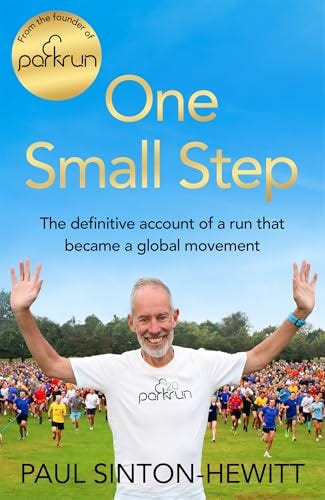
One Small Step: The Incredible Story of Parkrun by Paul Sinton-Hewitt
This one is for my fellow runners and anyone who enjoys a good autobiography. My husband and I actually discovered it during our trip to New Zealand, when I turned around from taking photos at Lake Wanaka to find him already deep in conversation with a woman in a Parkrun volunteer vest. I joined them, we cheered for a few runners together, and she mentioned the book had just come out. We bought it on Kindle that same evening.
It’s about way more than just the Saturday morning 5k. Sinton-Hewitt grew up without a traditional family structure, and the bullying and difficult early years he faced clearly shaped his whole perspective on belonging. Reading about how he navigated those years was quite heavy but also genuinely inspiring, especially once the book gets to how running became his primary survival tool and the one thing that gave him a sense of control and purpose when everything else felt like the opposite.
I caught myself going into too much detail about the storyline, so I’ll leave it there. But there is, of course, the whole beautiful part about how, and more importantly, why he started the Parkrun movement, and it’s a really incredible story. I could not put it down!
That's it for now! Pressing the publish button just before boarding my flight back to Copenhagen.
I hope you found something on this list that interests you, and if you did, let me know! And if you have any book suggestions for me, I'd genuinely love to hear them. :)
Thank you for being here! <3
Ja sam tvoj fan 😍
💜